

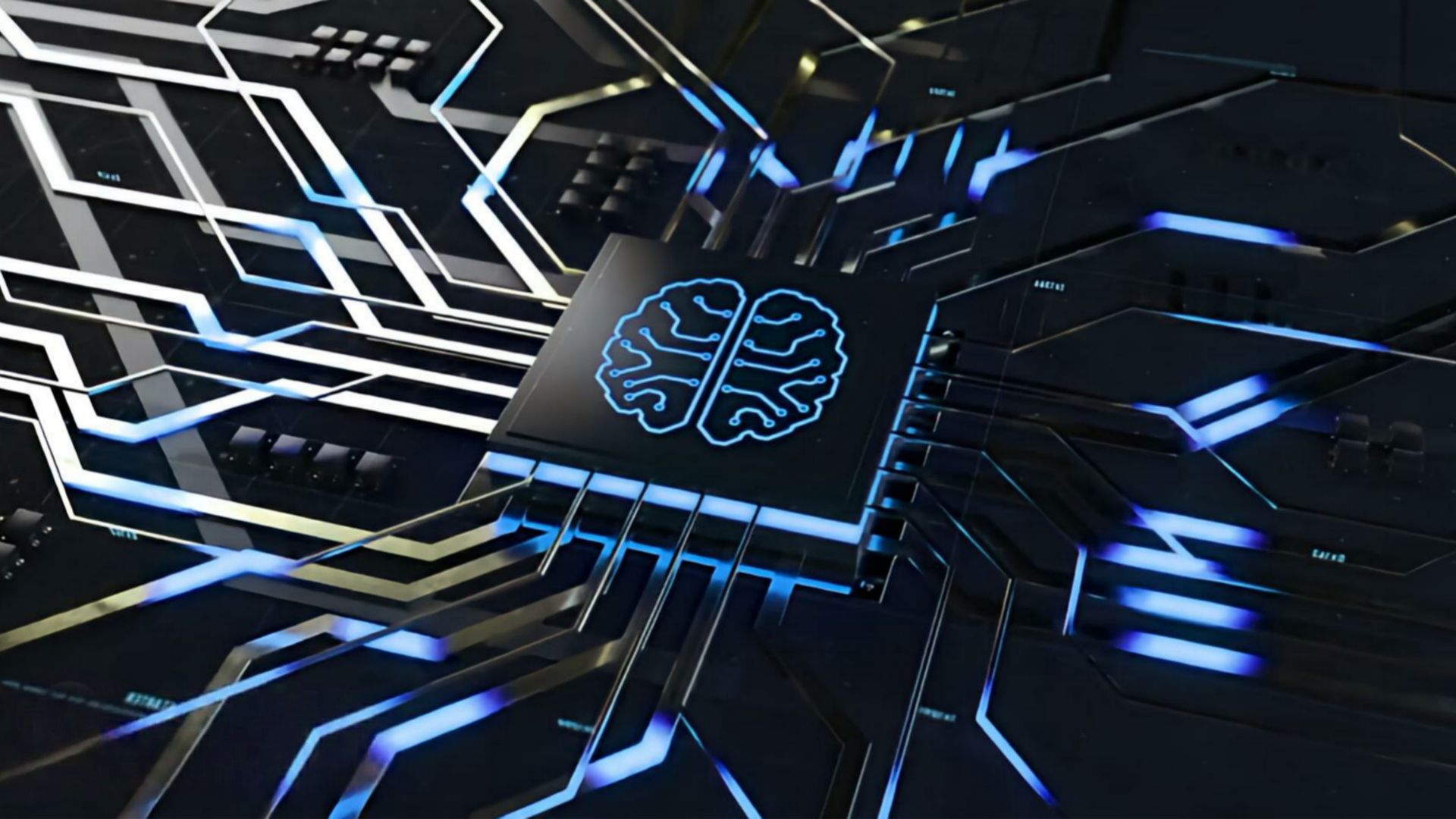
The future of AI after 5 years is expected to reshape global industries, economies, and everyday life in ways similar to the rise of the internet. Artificial intelligence is moving beyond experimental tools and becoming a core part of how businesses, governments, and individuals operate.
Instead of being a separate technology used only in apps or software, AI will become an embedded intelligence layer powering almost every digital system. This transformation will redefine productivity, communication, and decision-making across all sectors.
Introduction: The Rapid Evolution of AI
Artificial Intelligence has developed rapidly over the past decade, especially with advancements in machine learning, generative AI, and large language models. However, the next five years are expected to deliver even more significant changes.
AI systems are becoming more capable of understanding language, images, video, and real-time environments. This shift is leading toward multimodal AI systems that can perform complex tasks with minimal human input.
1. AI as Invisible Infrastructure
One of the biggest changes in the future of AI after 5 years is its invisibility. Users will no longer interact with AI directly in most cases. Instead, AI will operate behind the scenes.
Key Areas of Integration
- Banking and financial systems
- Healthcare diagnostics and patient management
- E-commerce personalization engines
- Government service automation
- Smart devices and home systems
This will make AI feel less like a tool and more like a natural part of digital life.
2. Rise of Advanced Personal AI Assistants
Personal AI assistants will become significantly more powerful and context-aware. These systems will not only respond to commands but also anticipate user needs.
Future AI assistants will be capable of managing schedules, booking services, handling communication, and even making decisions based on user preferences.
Capabilities of Future AI Assistants
- Long-term memory of user behavior
- Cross-platform task execution
- Real-time decision support
- Financial and productivity management
3. Transformation of the Job Market
AI will significantly reshape the global job market. While some roles may decline, new categories of employment will emerge.
Jobs at Risk
- Data entry roles
- Basic customer support jobs
- Routine administrative tasks
- Simple content generation roles
Emerging Job Roles
- AI workflow designers
- Machine learning operations specialists
- AI ethics and compliance officers
- Human-AI collaboration managers
Rather than eliminating jobs entirely, AI will shift the nature of work toward higher-level thinking and creativity.
4. Education Will Become Fully Personalized
The education system will undergo one of its most important transformations due to AI integration.
Students will have access to personalized learning systems that adapt in real time based on performance and learning style.
Key Improvements in Education
- 24/7 AI tutoring systems
- Adaptive learning platforms
- Skill-based certifications
- Real-time doubt solving
5. AI in Healthcare and Medicine
Healthcare will shift from reactive treatment to predictive and preventive care through AI technologies.
Healthcare Advancements
- Early disease detection using AI imaging
- Personalized treatment plans
- Faster drug discovery processes
- Remote AI-assisted diagnostics
These advancements are expected to improve healthcare access and efficiency globally.
6. Robotics and Automation Growth
The combination of AI and robotics will accelerate automation in industries such as manufacturing, logistics, and retail.
While humanoid robots may still be limited in everyday households, industrial automation will expand significantly.
7. Regulation and Ethical AI Development
As AI becomes more powerful, governments are expected to introduce strict regulations.
Focus Areas of Regulation
- Data privacy protection
- AI-generated content labeling
- Deepfake detection systems
- Responsible AI deployment standards
These regulations will aim to ensure safe and transparent use of AI technologies.
8. Multimodal AI Systems
Future AI systems will process multiple types of input including text, voice, images, and video simultaneously.
This will allow more natural and human-like interaction between users and machines.
Frequently Asked Questions (FAQ)
1. What is the future of AI after 5 years?
AI will become deeply integrated into everyday systems, powering industries like healthcare, education, finance, and communication.
2. Will AI replace human jobs?
AI will automate some tasks but also create new job roles focused on AI management, creativity, and human-AI collaboration.
3. Which industries will be most affected by AI?
Healthcare, education, finance, manufacturing, and digital services will see the biggest transformation.
4. Will AI become fully autonomous?
AI will become more capable but still require human oversight, especially in critical areas like healthcare and governance.
5. Is AI development safe?
AI is generally safe when properly regulated, but governments and organizations are actively working on ethical guidelines to reduce risks.
Conclusion
The future of AI after 5 years will be defined by deep integration into daily life, transforming how people work, learn, and interact with technology. AI will act as a powerful assistant and infrastructure layer across industries, enhancing human productivity rather than replacing it entirely.
As this evolution continues, the key challenge for society will be adapting to rapid change while ensuring responsible and ethical use of artificial intelligence.